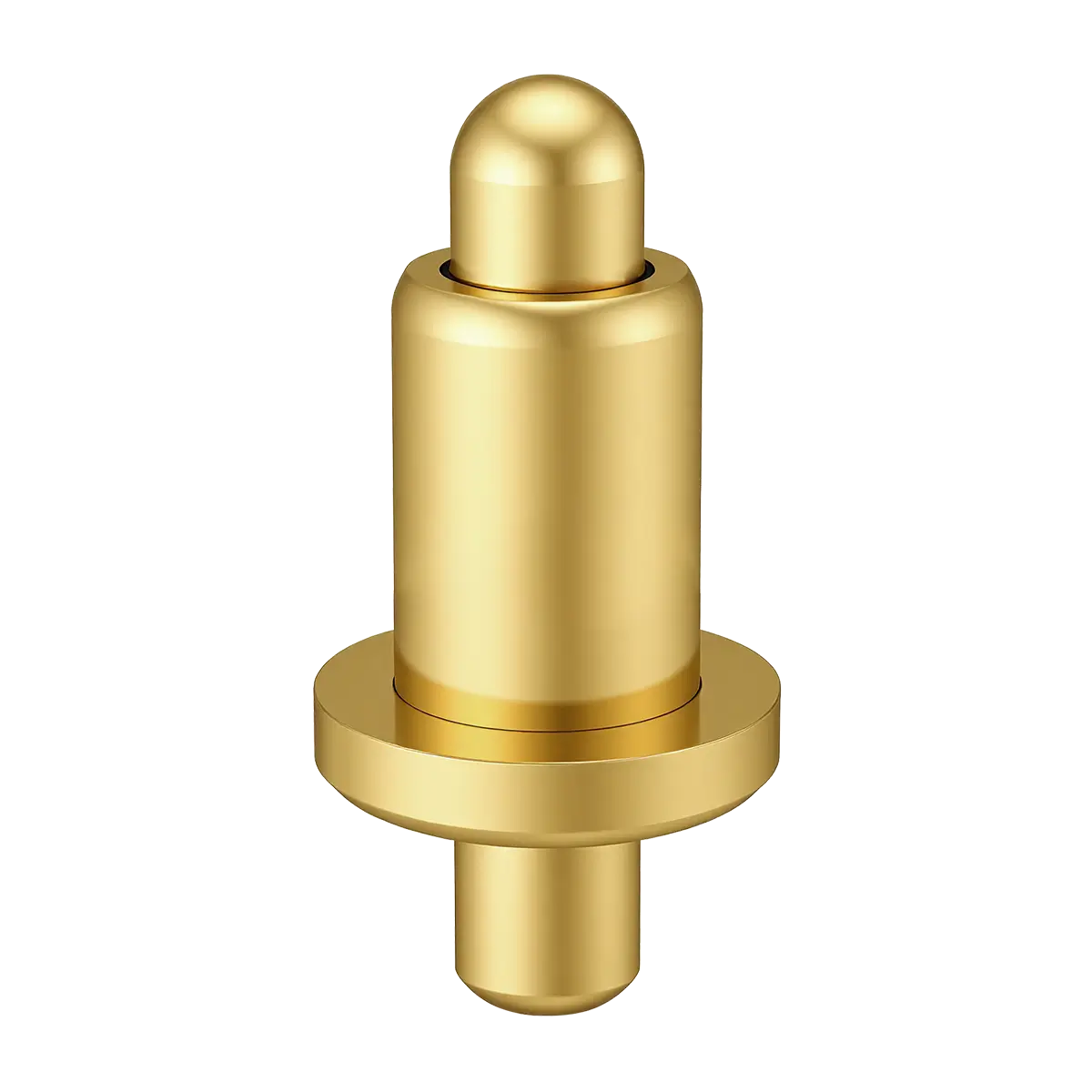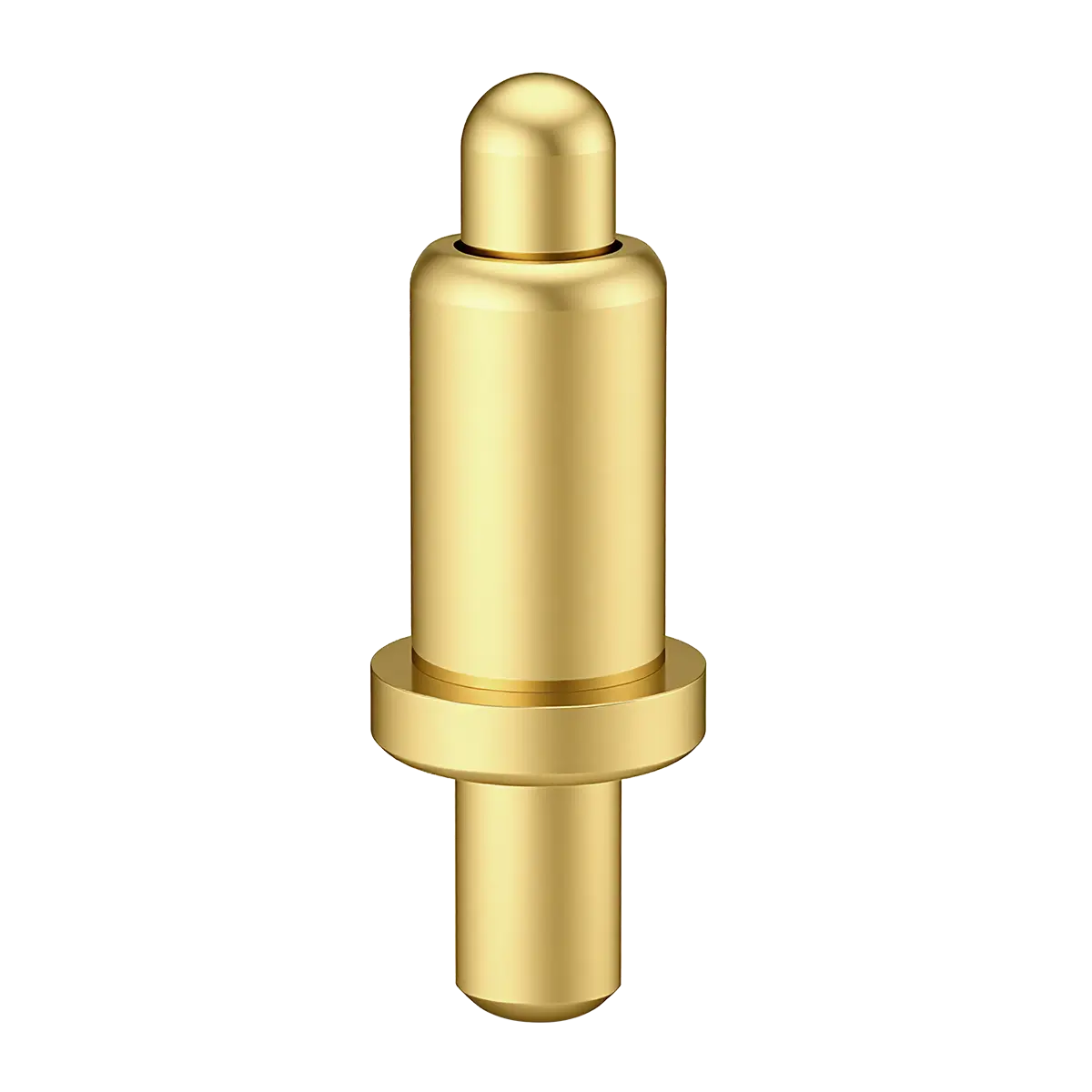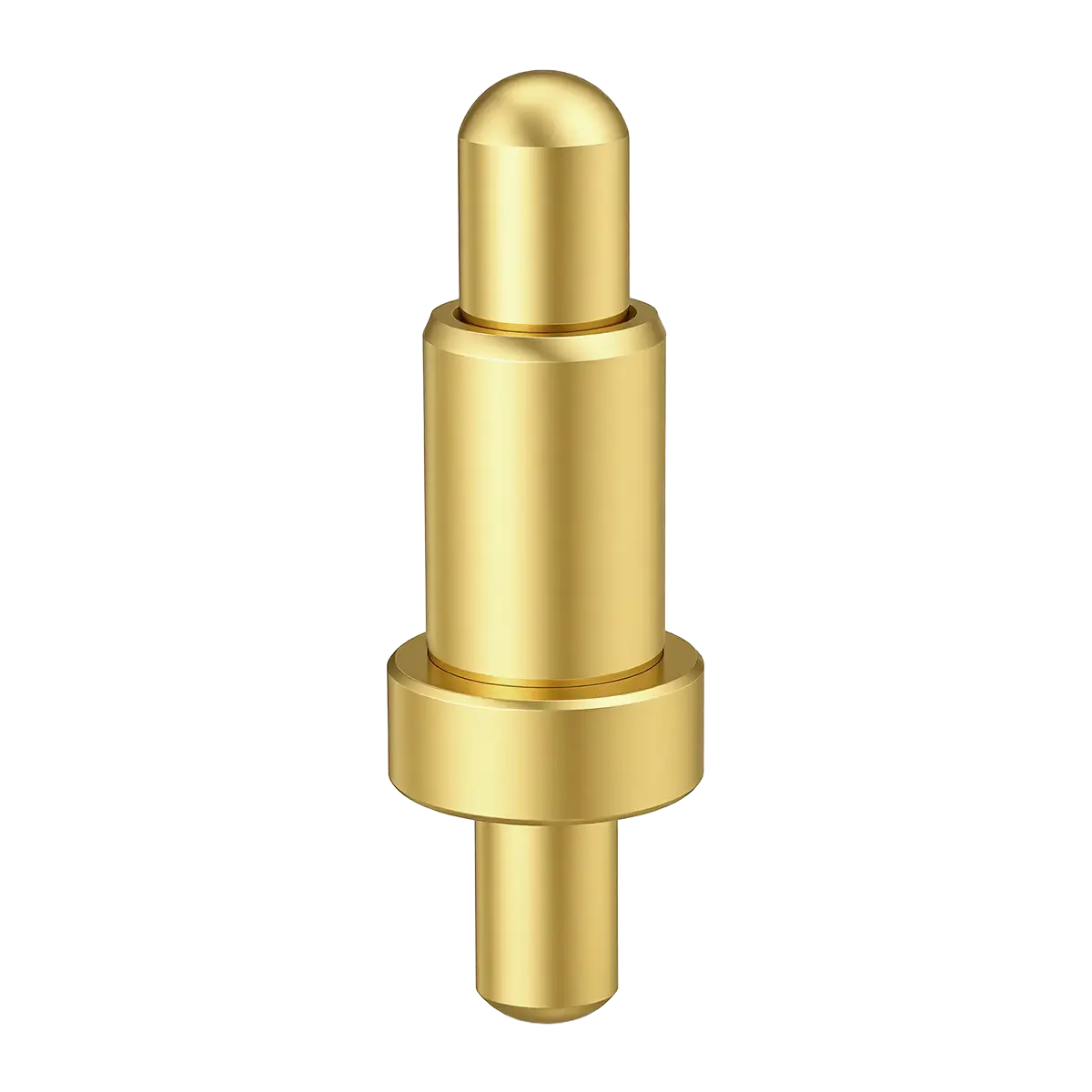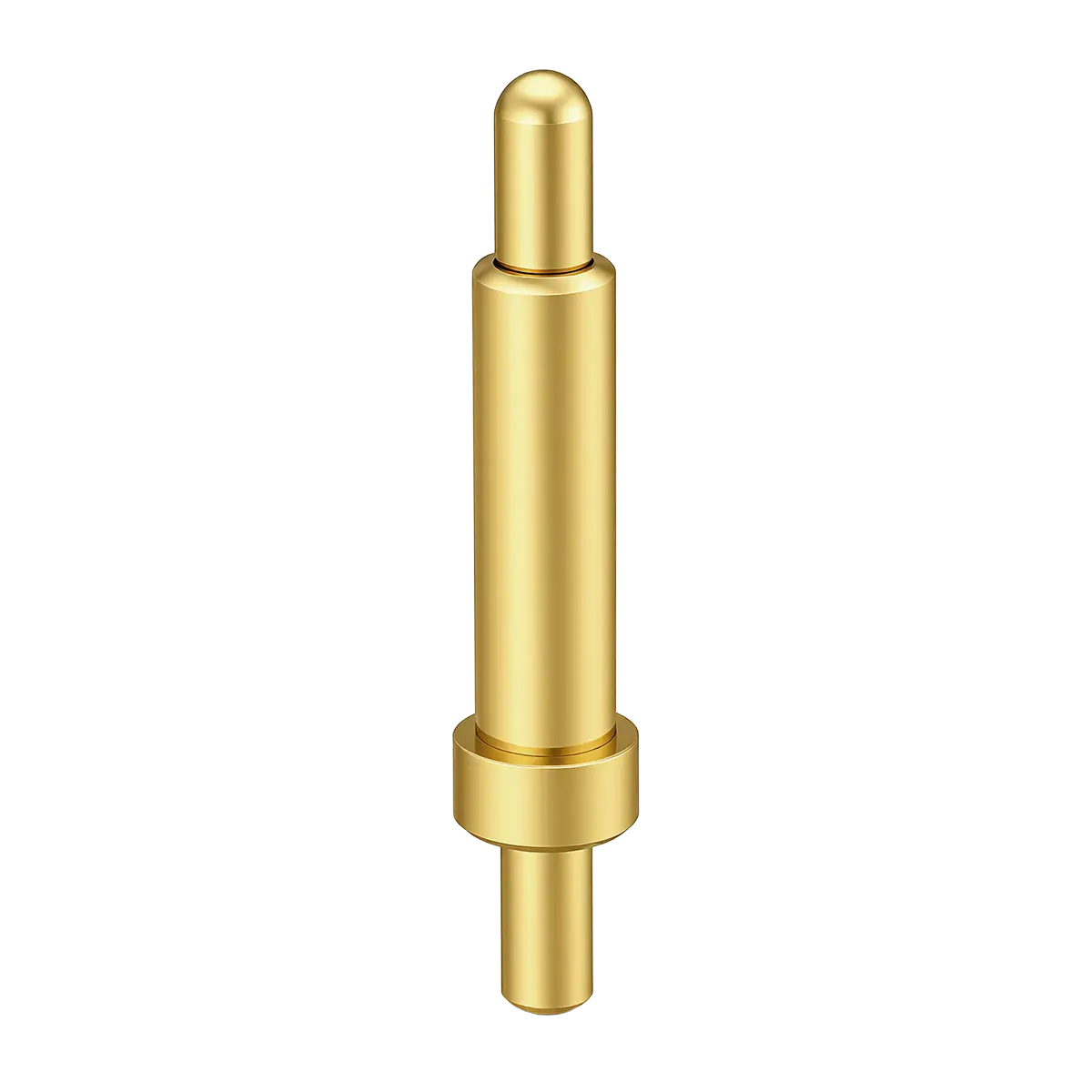
Pencil Pogo Pin

Alizn Professional Customization

Pencil Pogo Pin
Spring Loaded Pencil Pin Catalog

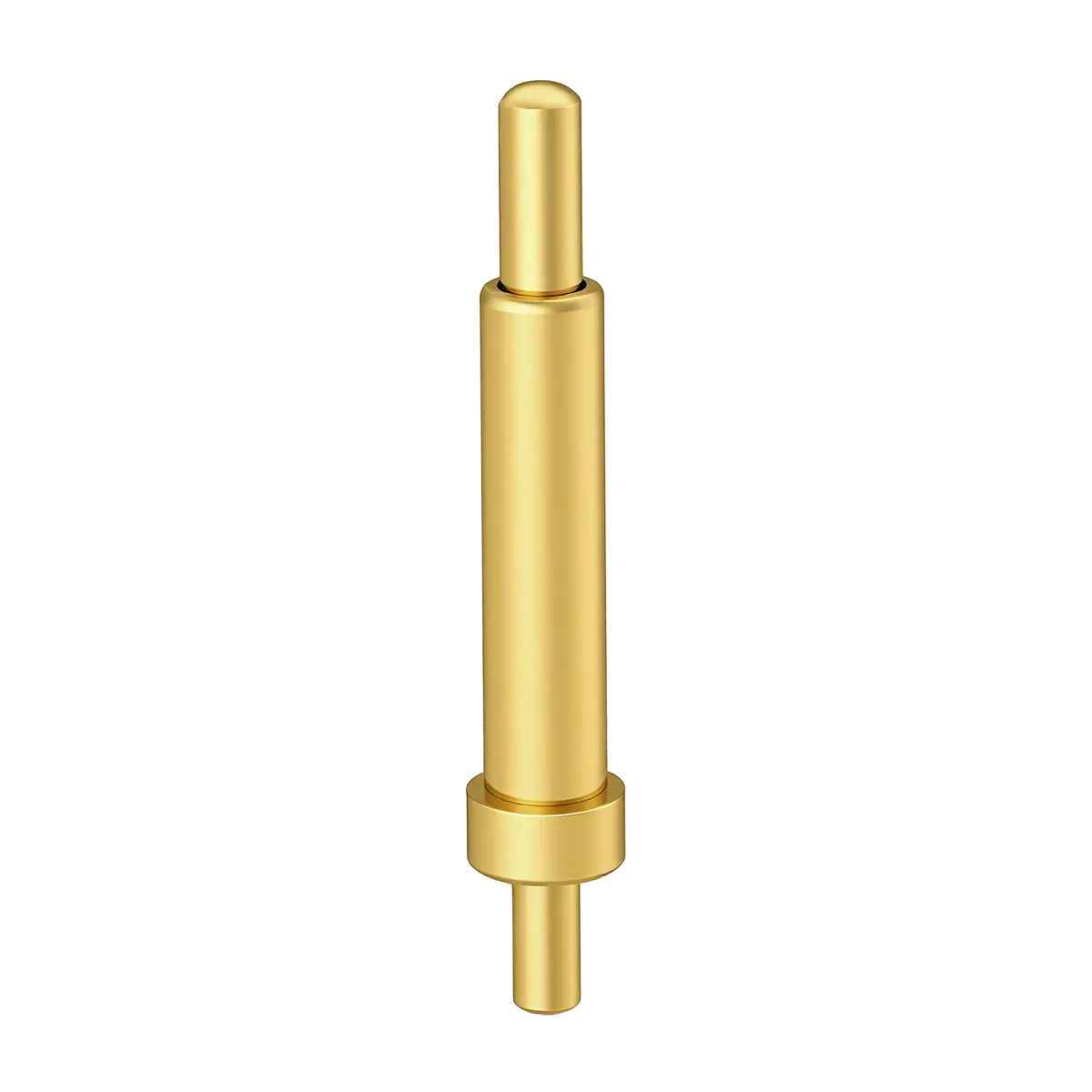
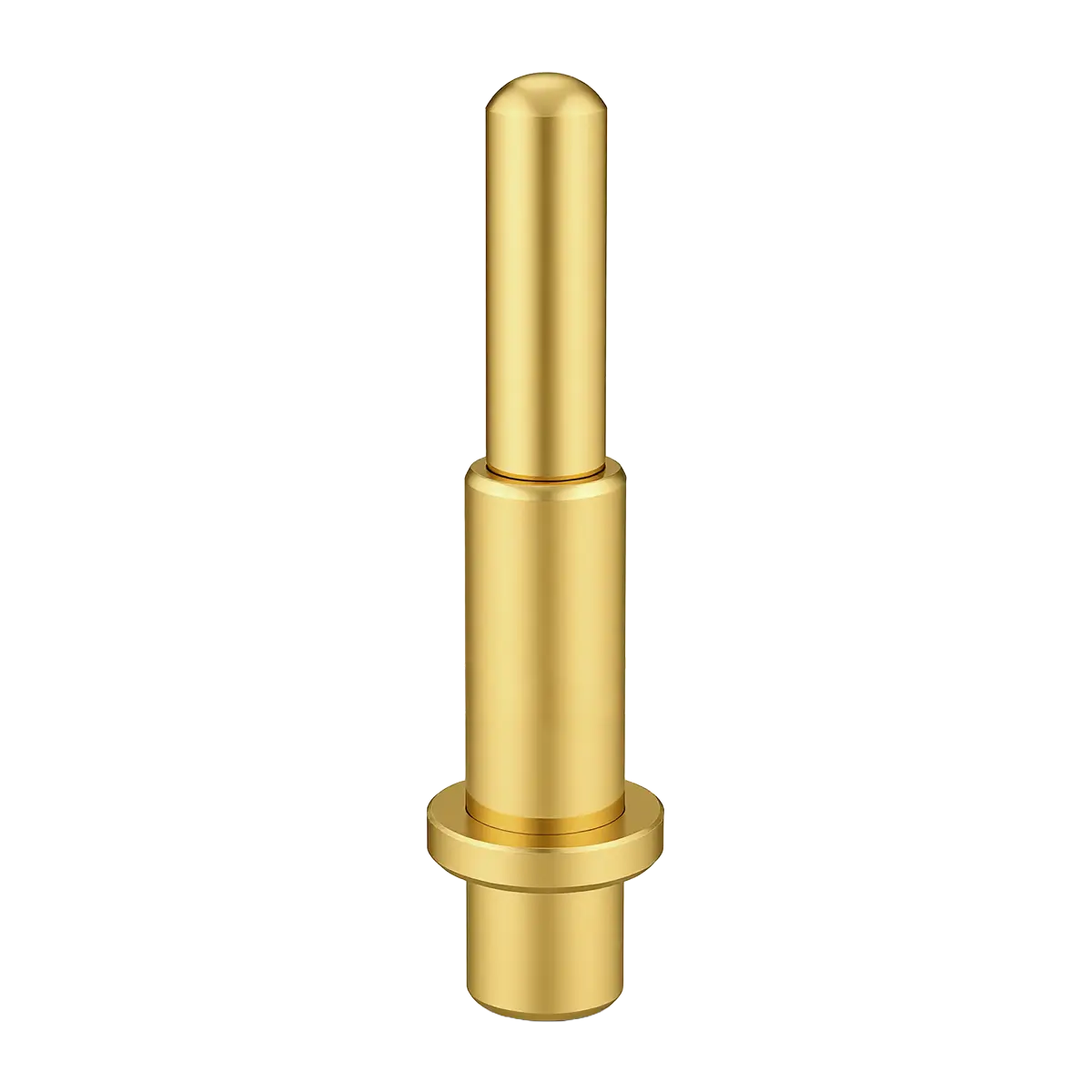
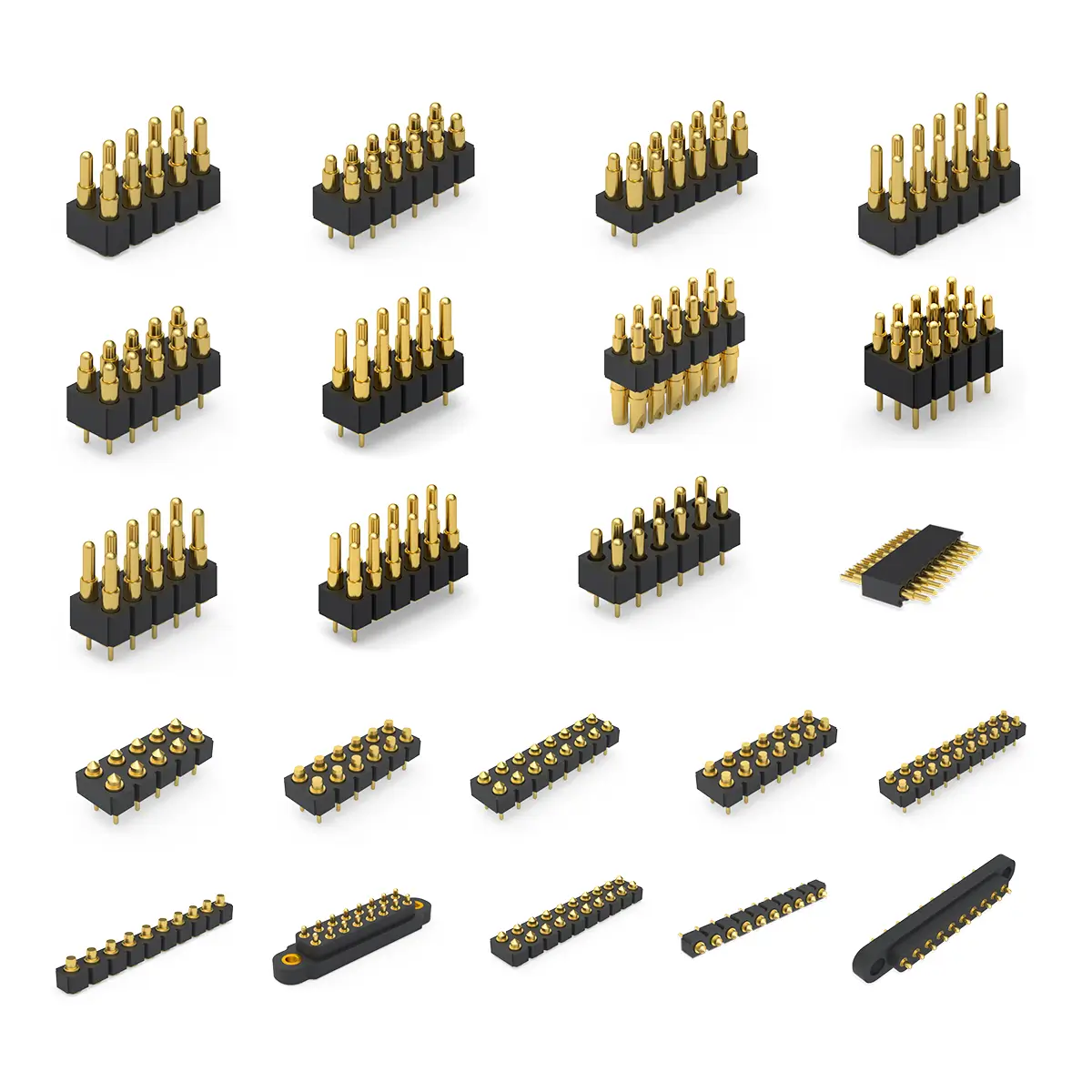
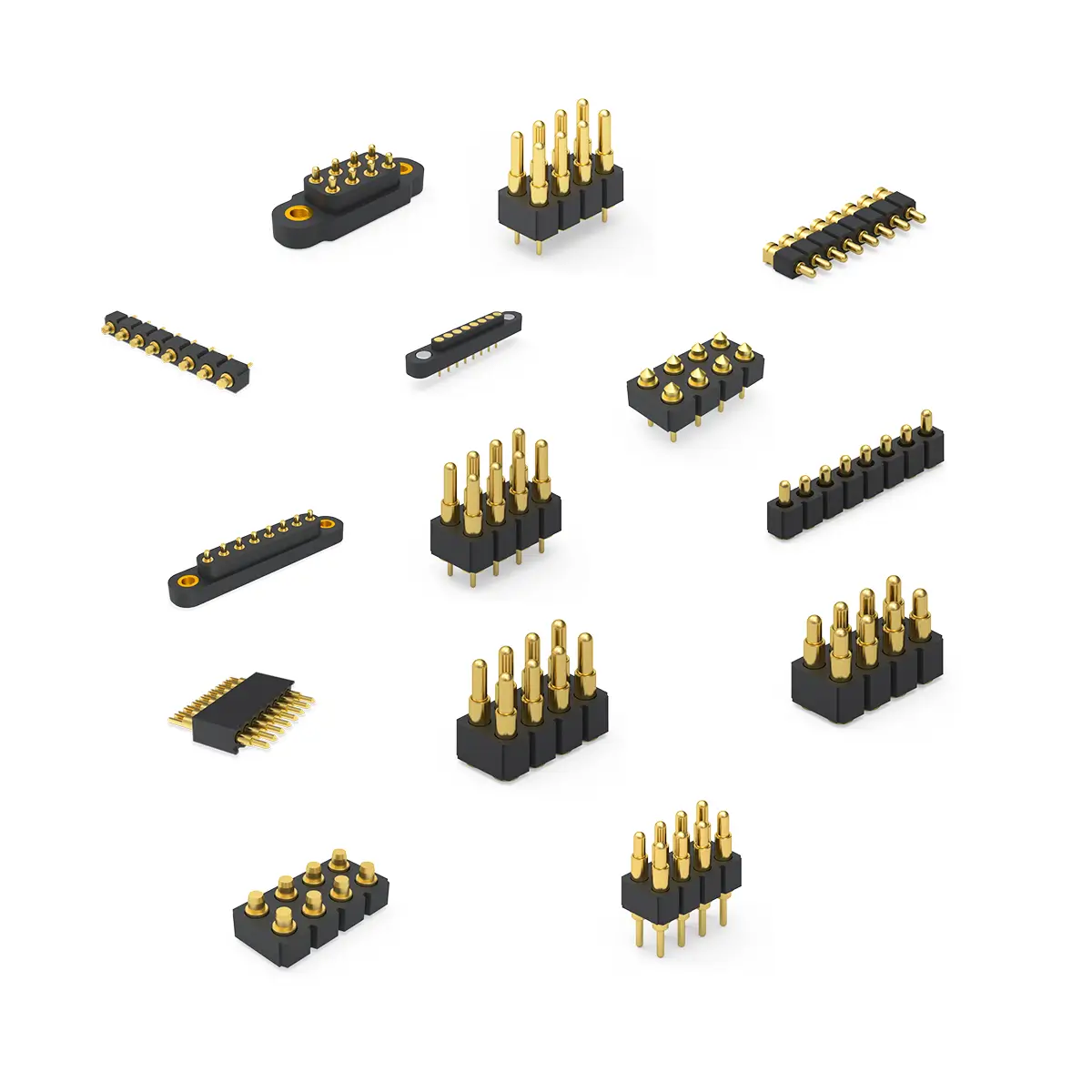
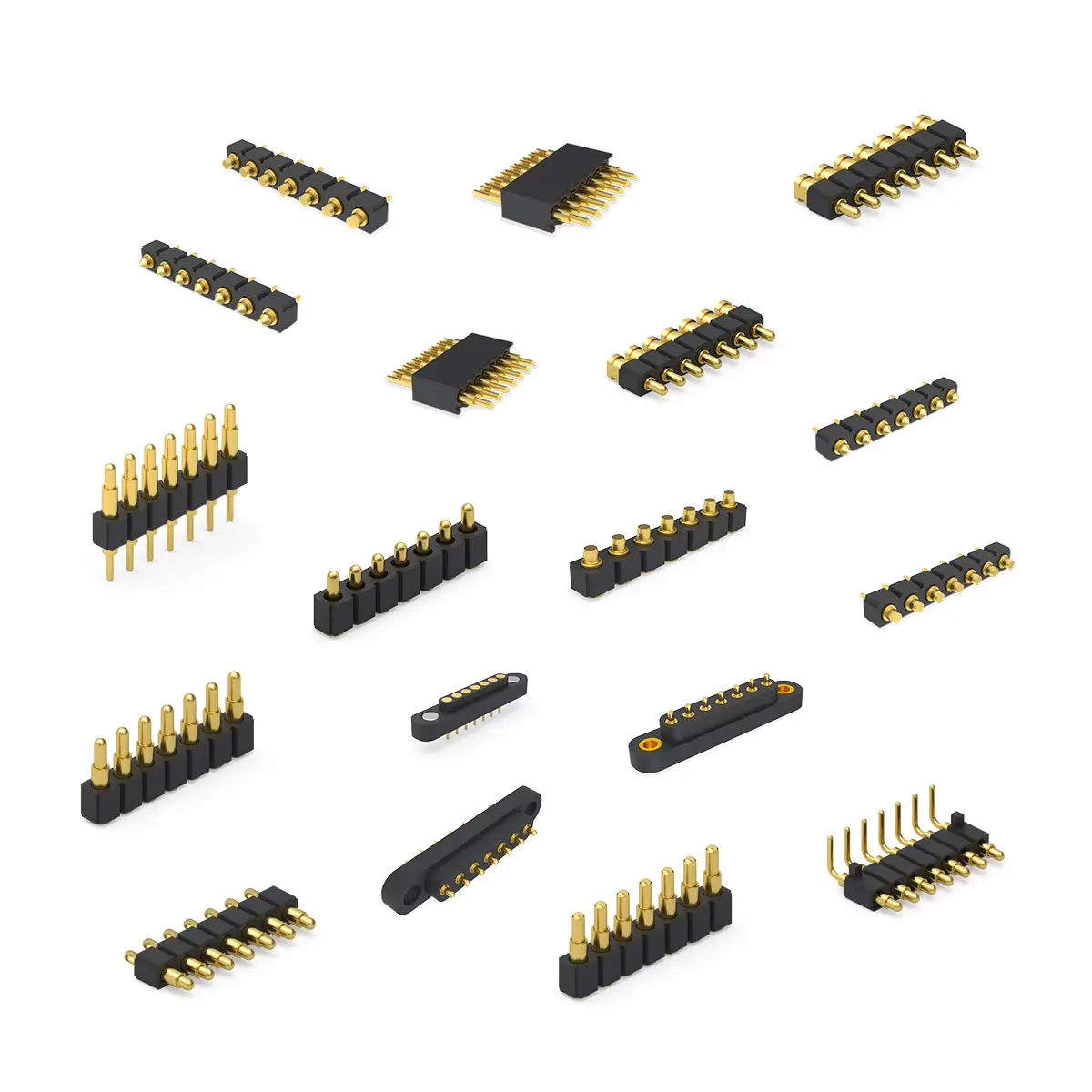
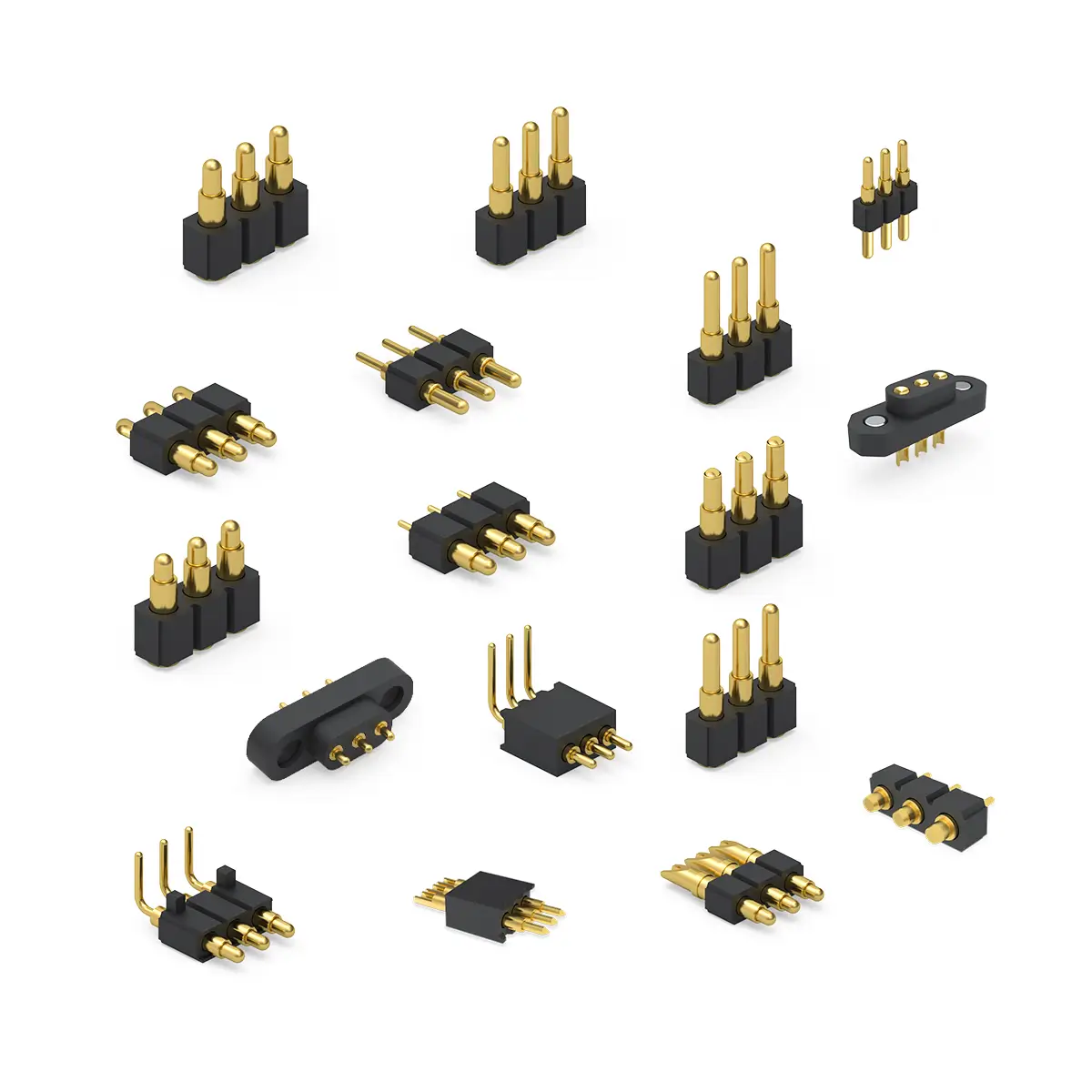
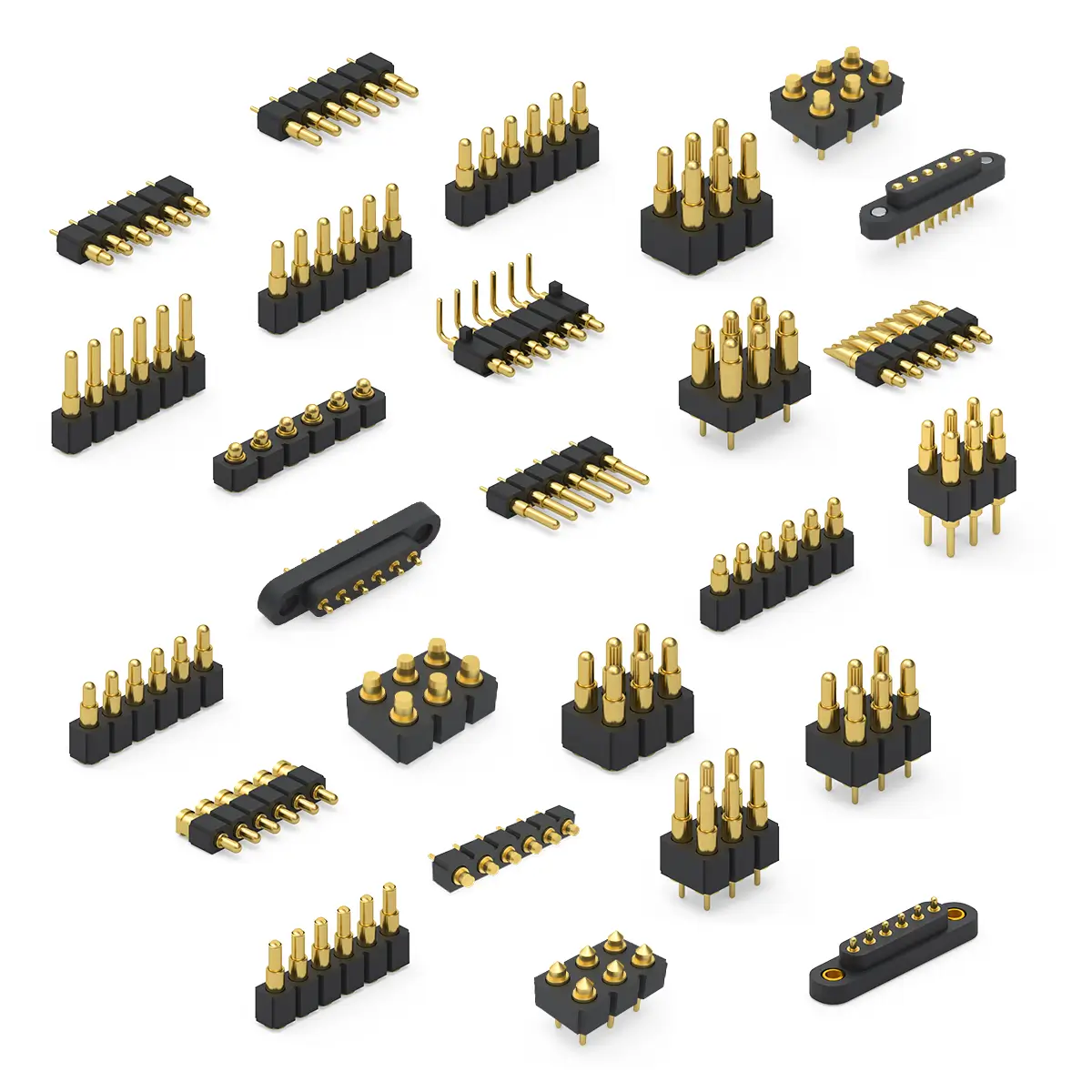
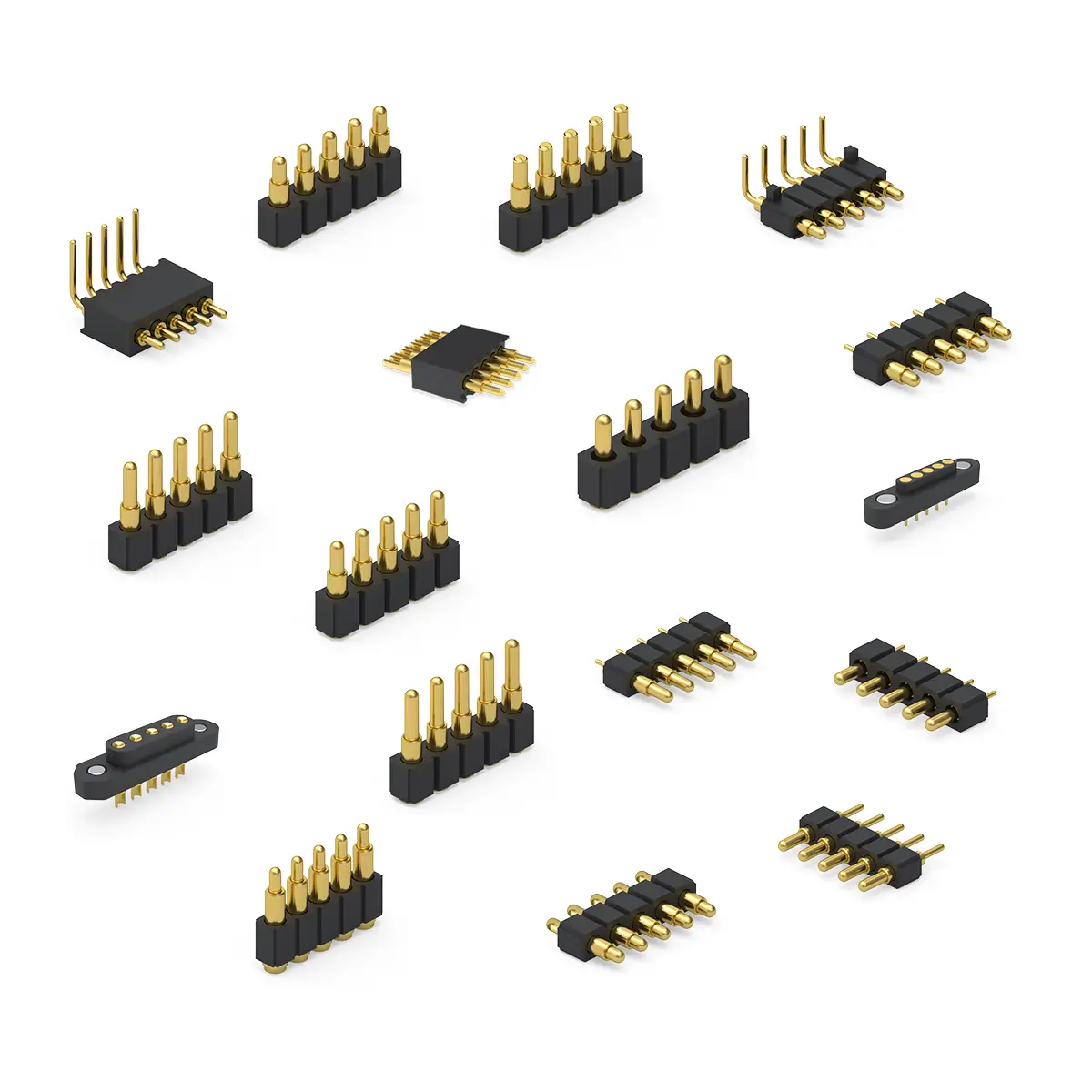
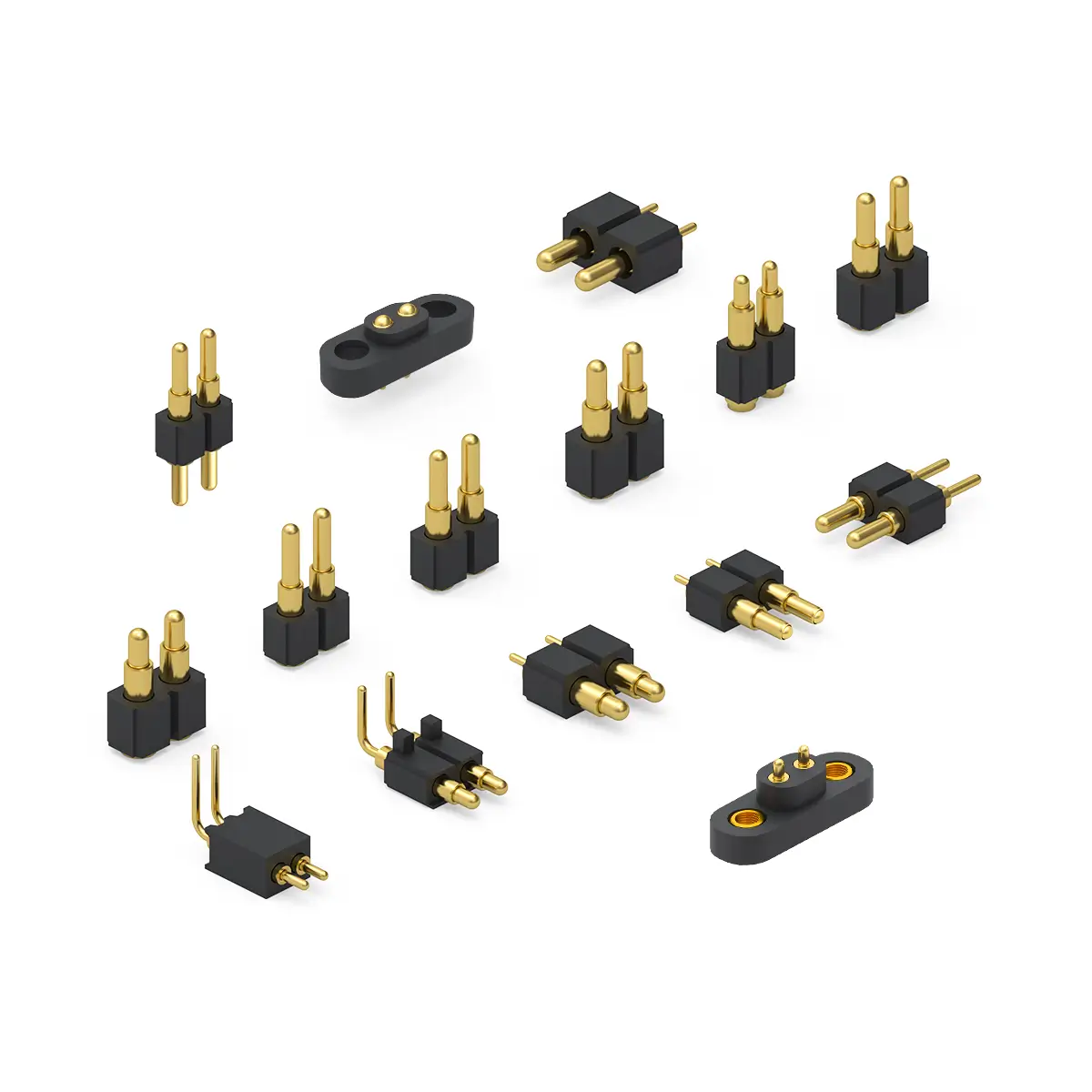
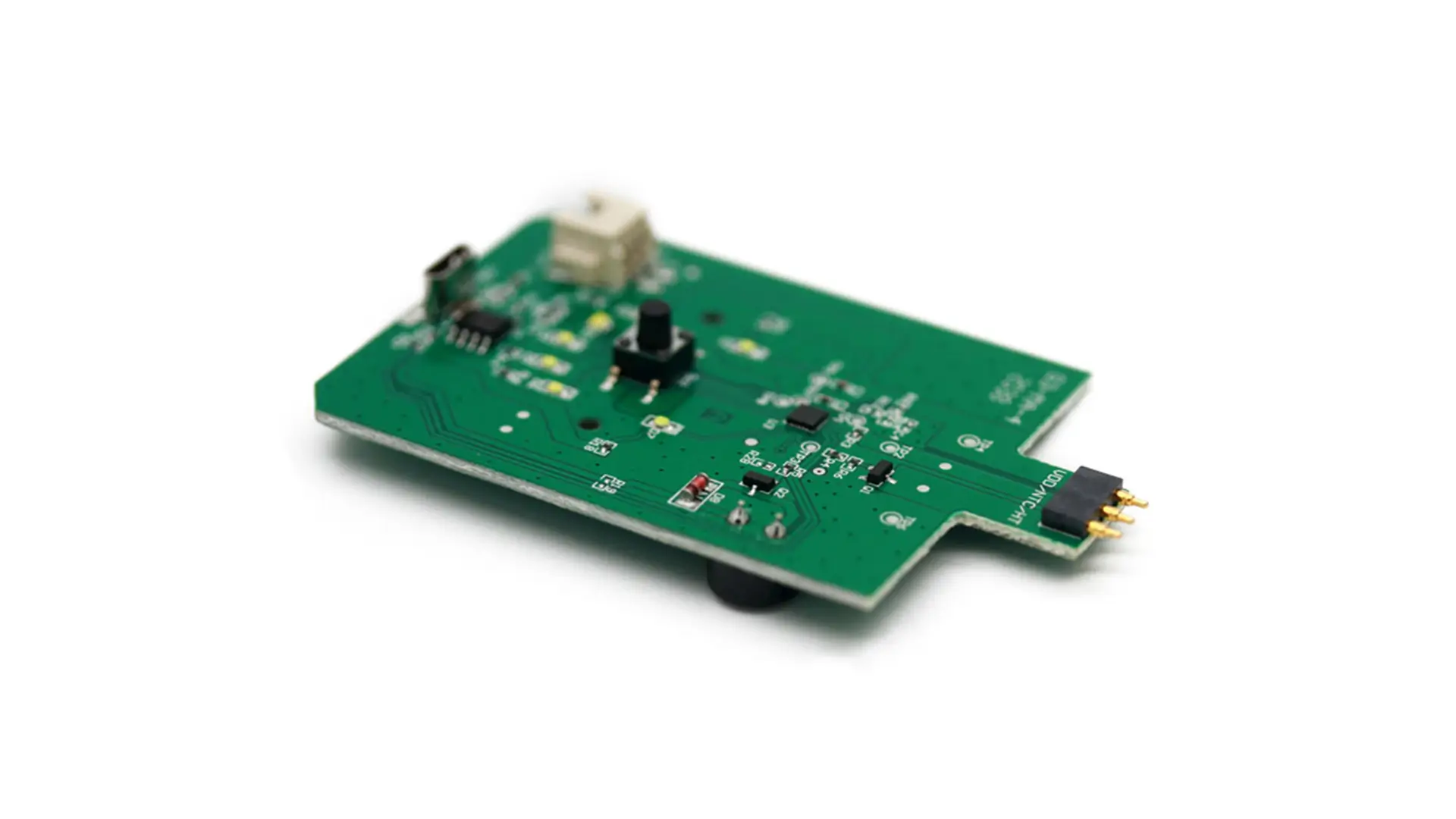
Pencil pogo pin, also known as spring loaded pencil pins, pencil spring contacts, or through hole spring loaded pencil pins, are primarily used to establish reliable electrical or signal connections between components. They ensure consistent conductivity and stable contact performance in various electronic applications.

Pencil Pogo Pins Overview

Pencil Pogopin Product Details

With advanced technology and expert craftsmanship, we create durable, high performance custom pencil pogo pin / pencil spring connector pin tailored to each project’s needs. 

What is a pencil pogo pin

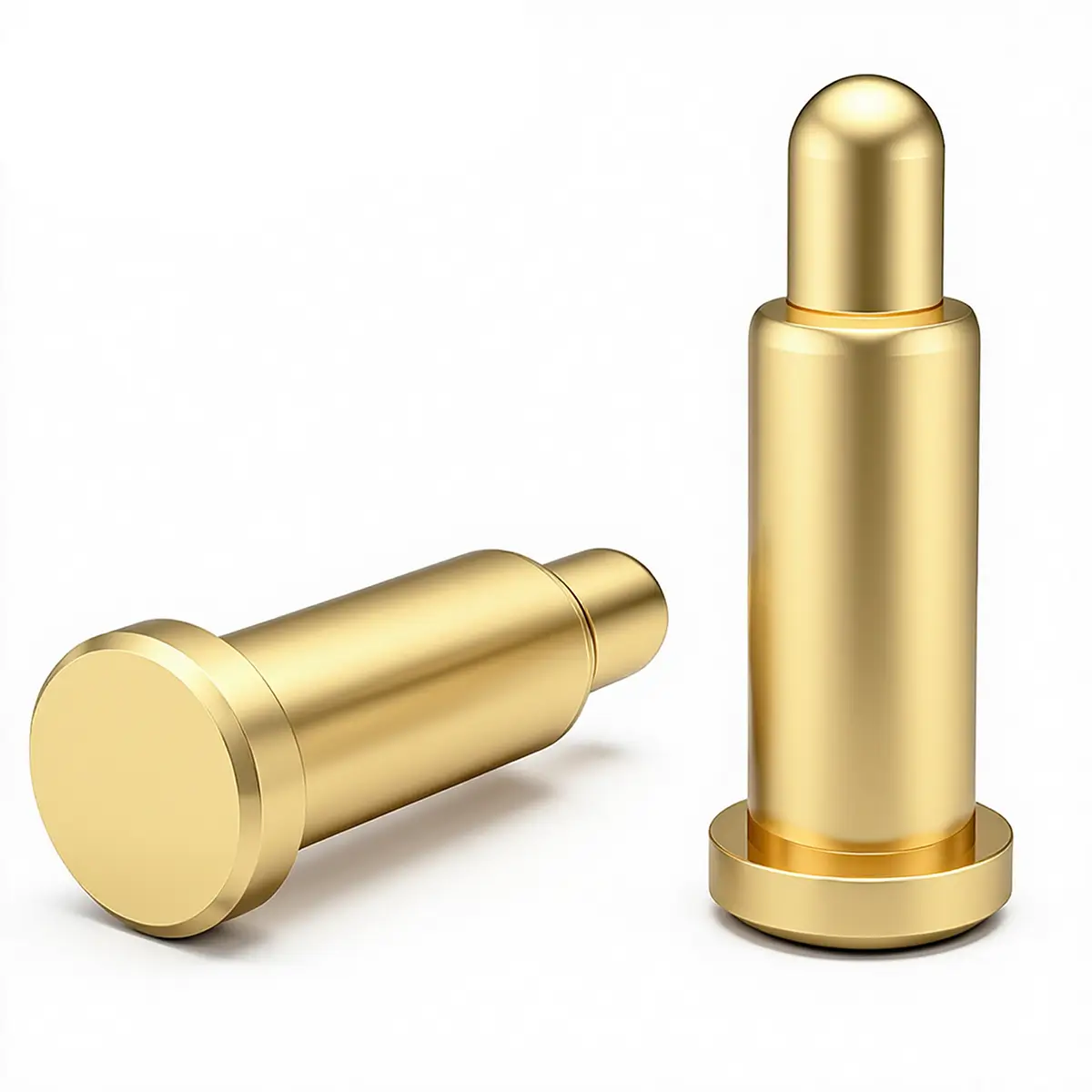
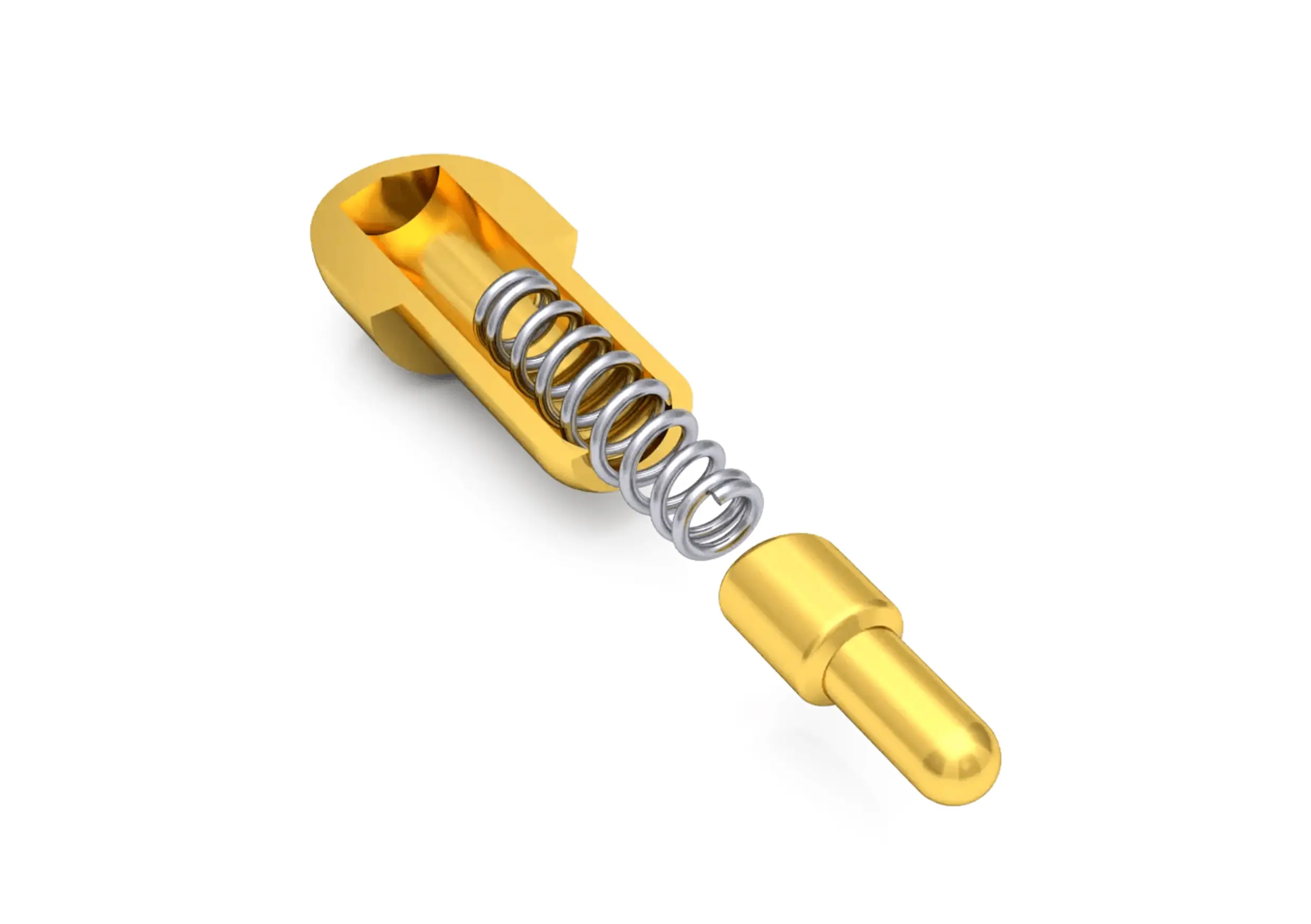
Pencil pogo pin is a spring loaded contact pin used to make a temporary electrical connection in testing, charging docks, and connector fixtures. It’s called “pencil” because the plunger tip is long and tapered, similar to a pencil point, which helps guide and self center onto pads, holes, or small targets. Inside, a movable plunger slides in a barrel and is pushed by an internal spring to maintain stable contact pressure. Pencil tips are useful when you need reliable contact on slightly misaligned surfaces, or when probing small pads repeatedly with low contact resistance.

How to install pencil pogo pin

To install a pencil pogo pin, first confirm the pin’s diameter, travel, and working stroke match your design. Choose the correct mounting style: press fit, threaded, or solder type. For a press fit pin, drill or ream the hole to the recommended tolerance, align the pin vertically, and press it in using a jig to avoid bending the tip. For a threaded pin, screw it into the housing and tighten to the specified torque. For a solder cup or solder tail type, insert the pin, secure it mechanically, then solder the lead to the PCB and clean any flux. Finally, check plunger movement, verify contact force, and test continuity under compression. Ensure the tip lands centered on the target pad.

pencil pogo pin material and structure

pencil pogopin material & parts

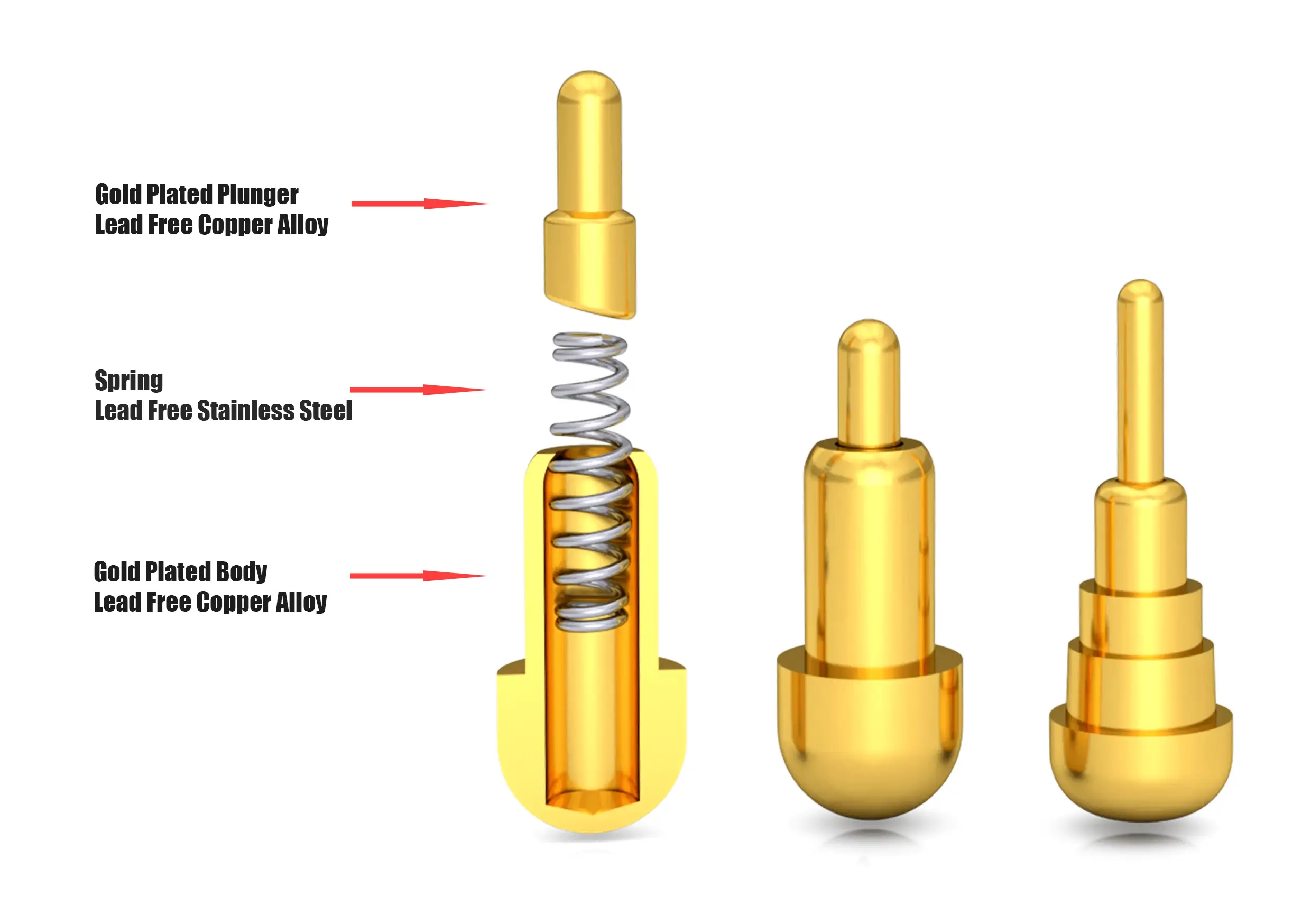
Pencil pogo pin is made of several precision parts and durable materials. The main components are the barrel (body), plunger (tip), and spring, sometimes with an internal stop or insulator depending on the design. The barrel and plunger are commonly machined from brass or beryllium copper for good conductivity and strength, then plated with nickel as a barrier layer and gold on the contact surfaces to reduce resistance and prevent corrosion. The spring is usually stainless steel or music wire for stable force and long cycle life. High quality plating and smooth sliding fit improve reliability.

pencil pogopin internal structures

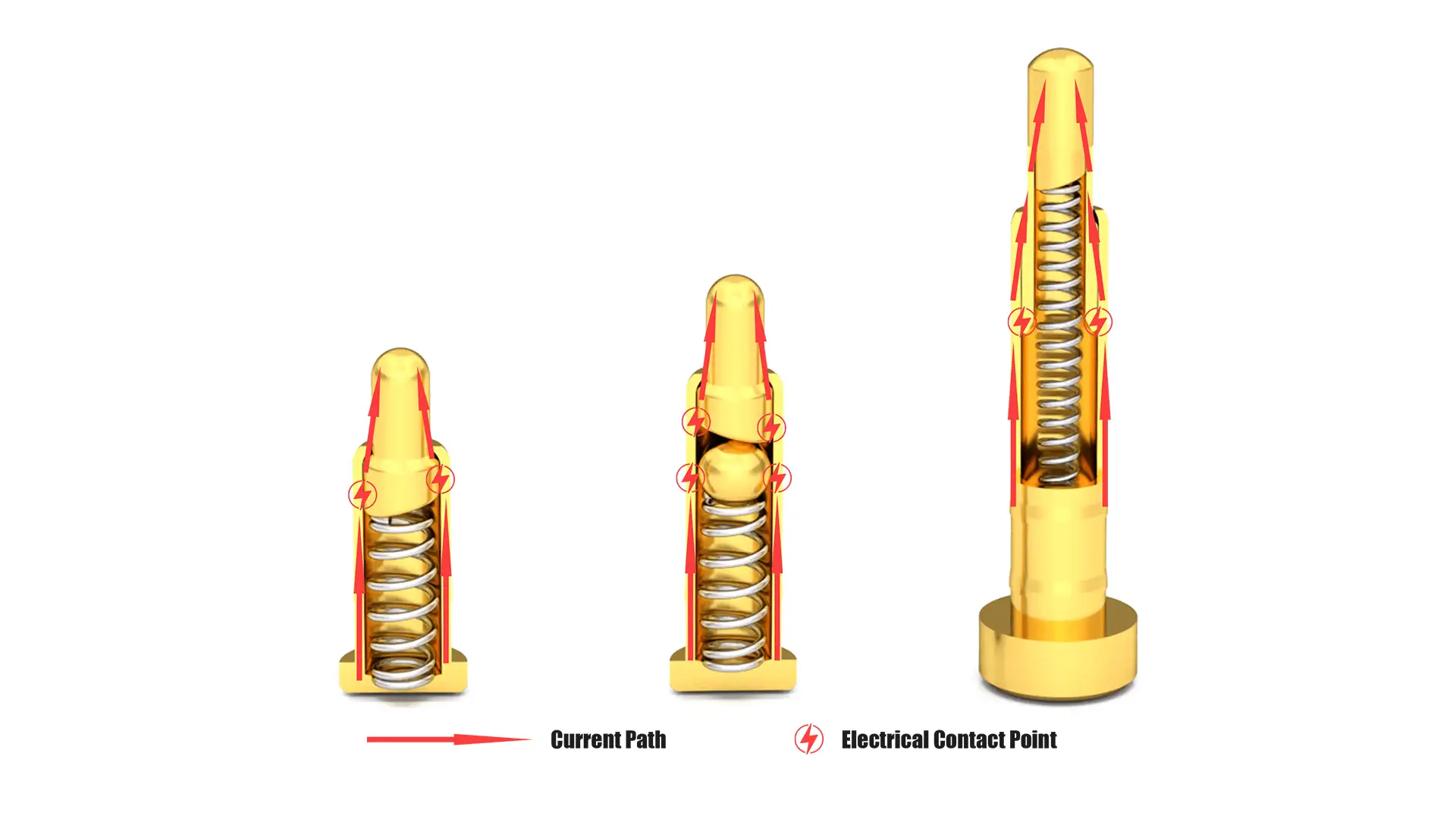
pencil pogopin Internal structures

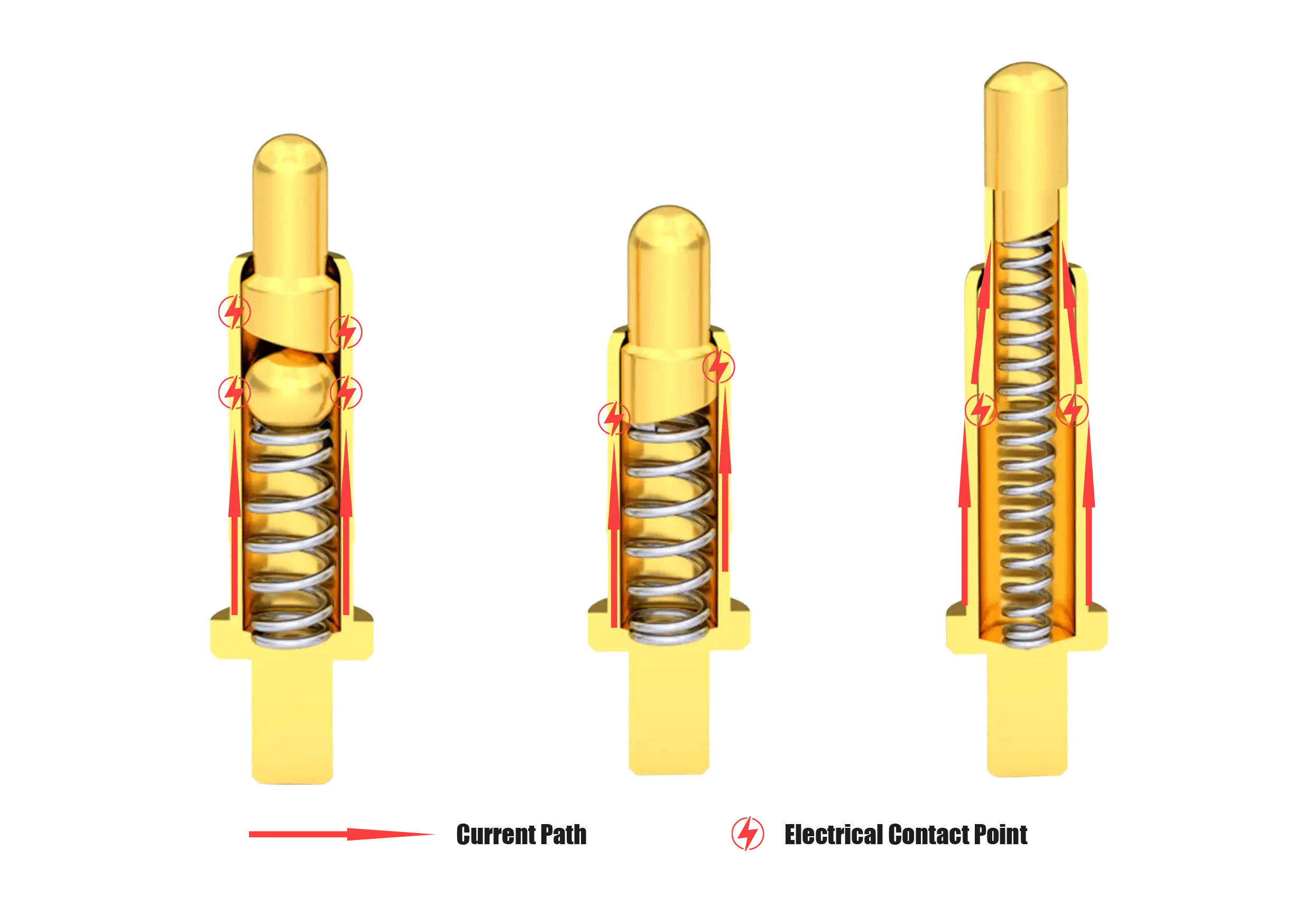
Pencil pogo pins typically use three common internal contact structures. Plunger bevel structure uses a slanted contact surface between the plunger and barrel to create a stable electrical path while the spring maintains pressure. Plunger bevel + steel ball structure adds a small steel ball to reduce friction and wear, improving smooth travel and extending cycle life under high frequency compression. Plunger inner hole bevel structure forms the contact on a beveled surface inside the plunger’s inner hole, helping with self alignment and consistent conduction even with slight side loads. Each design balances contact resistance, durability, and stroke smoothness for different test and connector applications.

How Pencil Pogo Pins Work

Pencil pogo pins work by using a spring loaded plunger to create a reliable temporary electrical connection. When the tip touches a pad or target, the plunger compresses into the barrel while an internal spring provides steady contact force. This force helps break through light oxidation and maintains low, stable contact resistance during vibration or slight misalignment. The tapered “pencil” tip guides the pin to the center of the pad, improving positioning accuracy in test fixtures and charging docks. Inside, the plunger and barrel form the conductive path, often enhanced by beveled interfaces or a steel ball to reduce wear and ensure smooth motion.

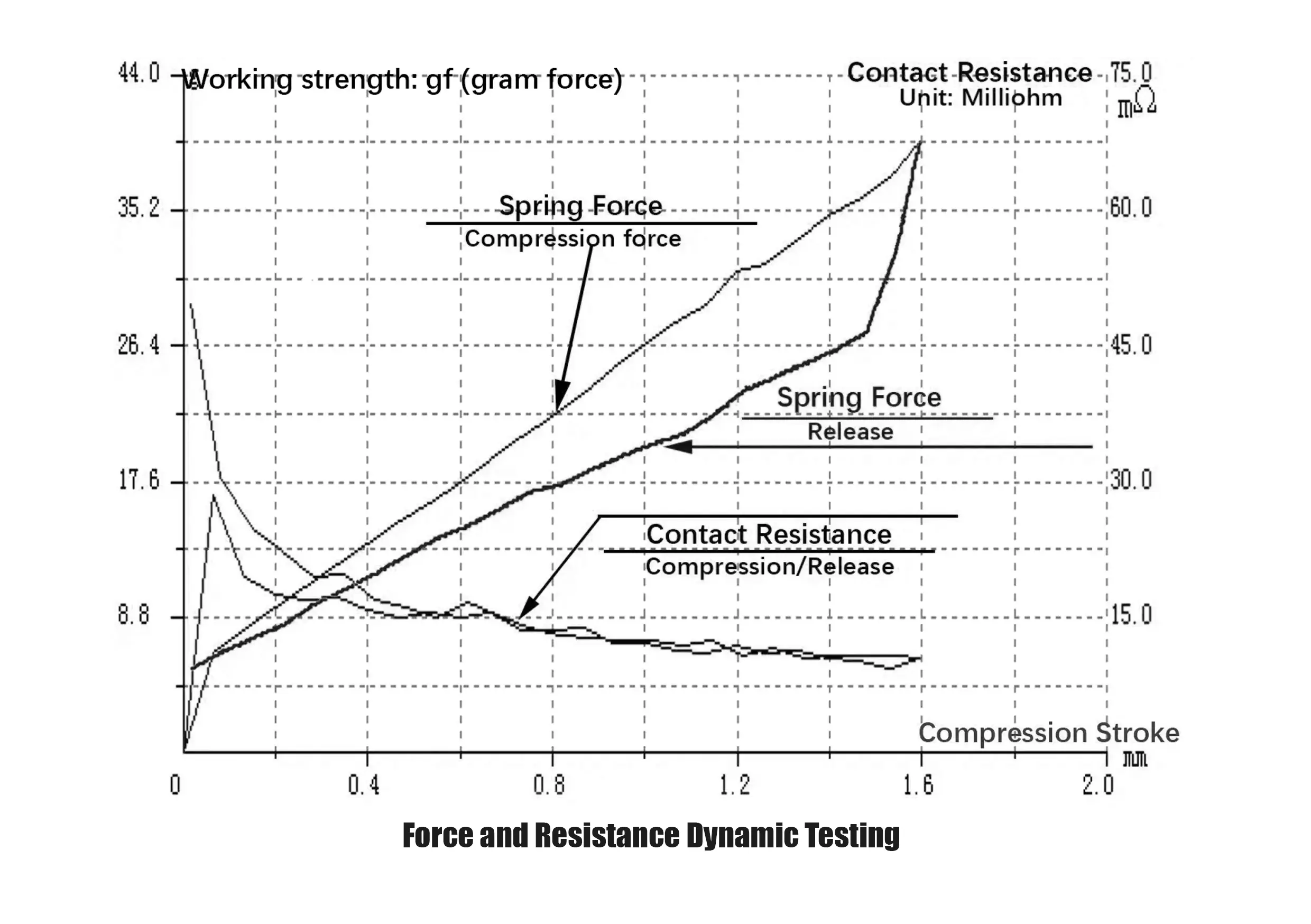
Dip Pogo Pin Contact Resistance

This chart illustrates that during the full compression and release stroke of the dip pogo pin, the spring force increases smoothly while the contact resistance remains extremely low and stable. This demonstrates a well-engineered internal structure, precise machining tolerances, and high-quality vacuum blind-hole plating that together ensure reliable electrical connectivity and long-term performance stability.

types of spring loaded pencil pin

Selection Guide of Pencil Pogo Pin

Select pencil pogo pins based on travel length, spring force, contact material, and plating to achieve optimal performance, reliability, and durability.
Fully customizable to meet any electrical, mechanical, or environmental requirements.

SN Product Image Full Stroke (mm) Initial Height (mm) Working Height (mm) Catalog Download
1 0.4~0.8 1.80~3.00 1.40~2.60 Short-Dip Pogo Pins
2 1.00 3.15~6.30 1.50~5.60 1.00-Dip Pogo Pins
3 1.50 4.50~10.00 3.20~9.00 1.50-Dip Pogo Pins
4 2.00 5.80~16.00 4.00~15.00 2.00-Dip Pogo Pins
5 2.50 7.10~16.00 4.80~15.00 2.50-Dip Pogo Pins
6 3.00 8.40~20.00 5.60~19.00 3.00-Dip Pogo Pins
7 3.50~5.00 9.70~20.00 6.40~19.00 5.00-Dip Pogo Pins
Pencil Spring Loaded Pin Performance

Pencil Pogo Pin Technical Parameters

Alizn custom pogo pins are carefully crafted using only the finest materials.
Our production team offers superior craftsmanship with over 10 years of experience working with custom pencil pogo pins / pencil pogo pin connectors.

Items Details
Material Plunger: Lead-Free Copper Alloy
Body: Lead-Free Copper Alloy
Spring: Stainless Steel
Solid Pin: Lead-Free Copper Alloy
Main Technical Parameters Standard state:
Operating temperature: -40~+120°C (Standard)
Operating humidity: 20-85% RH
Storage temperature: -10~+50°C
Storage humidity: 20-85% RH
Rating voltage: 36V AC/DC (Standard)
Rating current: 2A/Pin Continuous (Standard)
Contact resistance: 30 mΩ Max. (Standard)
Withstanding voltage: 250V AC, 1 Minute
Insulation resistance: 500 MΩ Min.
Durability: 10,000 Cycles (Standard)
Working Spring Force: 40~120 gf (Standard)
Electroplating Plunger: Ni Plating 1.4μm, Gold Plating 0.30μm
Body: Ni Plating 1.4μm, Gold Plating 0.10μm
Solid Pin: Ni Plating 1.4μm, Gold Plating 0.10μm
Contact Type Vertical Contact Type
Installation Method SMT automatic placement machine + Reflow soldering
Plugin machine + Wave soldering
Environmental Protection Standard Comply with EU RoHS and Alizn standards

Upload Your CAD File

To begin, provide your contact details and upload the CAD file or detailed product requirements of your design. This allows us to create a detailed 3D model of the part or prototype you're looking to produce.

Receive a Quote & Design Review

Within 12 hours, we’ll send you a detailed quote along with Design for Manufacturability (DFM) feedback. This ensures the feasibility of your project and gives you a clear idea of the costs involved.

Confirm Your Order & Begin Production

Once you approve the quote and design, we’ll proceed with the production of your custom pencil pogo pins.

Shipping & Delivery

Your project enters our manufacturing queue the morning after we receive your approval. On average, custom orders ship within 10-15 business days. In stock products and samples ship within 48 hours.

Just 4 Steps
Custom Pencil Pogo Pin Quotation Process

From detailed consultation to final delivery, we make custom pogo pin orders simple and easy. We pride ourselves on providing exceptional customer service by anticipating your needs, offering customized solutions and on time delivery.

Pencil Spring Loaded Pins Electroplating

Pencil Pogo Pin Surface Treatment

Various surface treatment methods to meet your needs

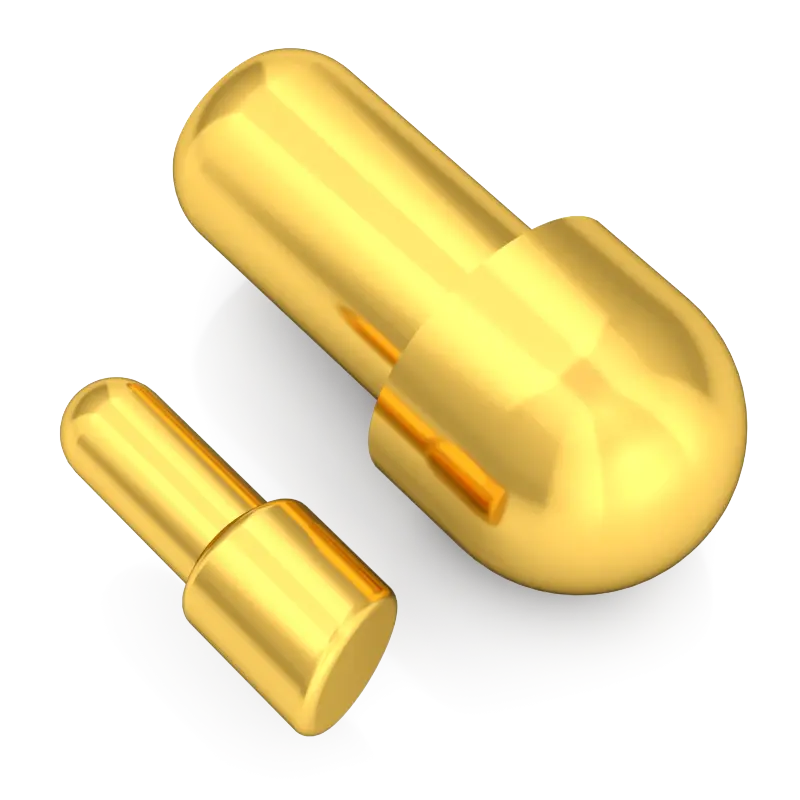
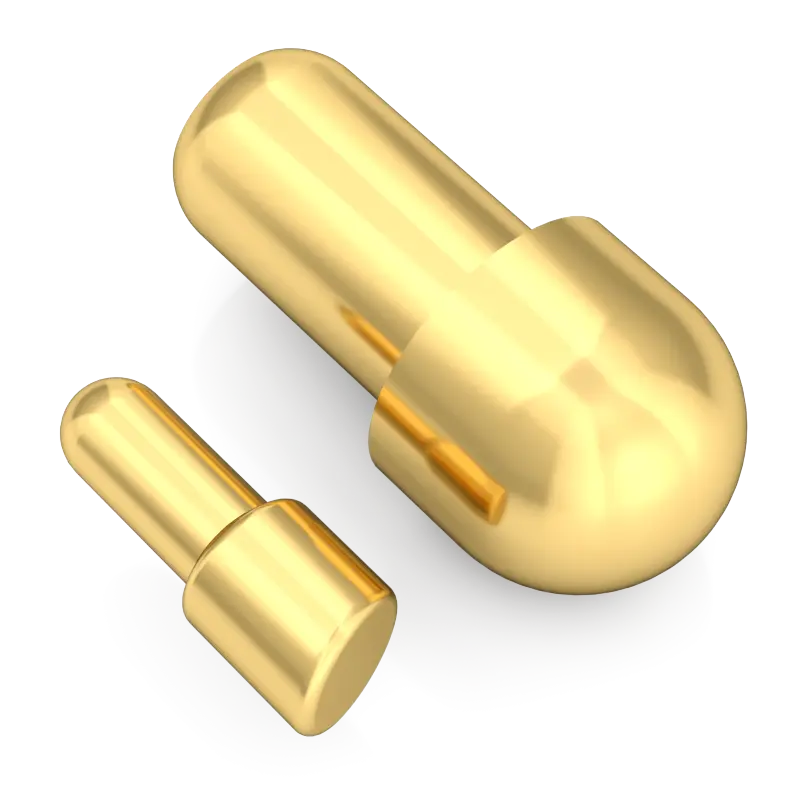
Electroplated Gold - Golden Yellow
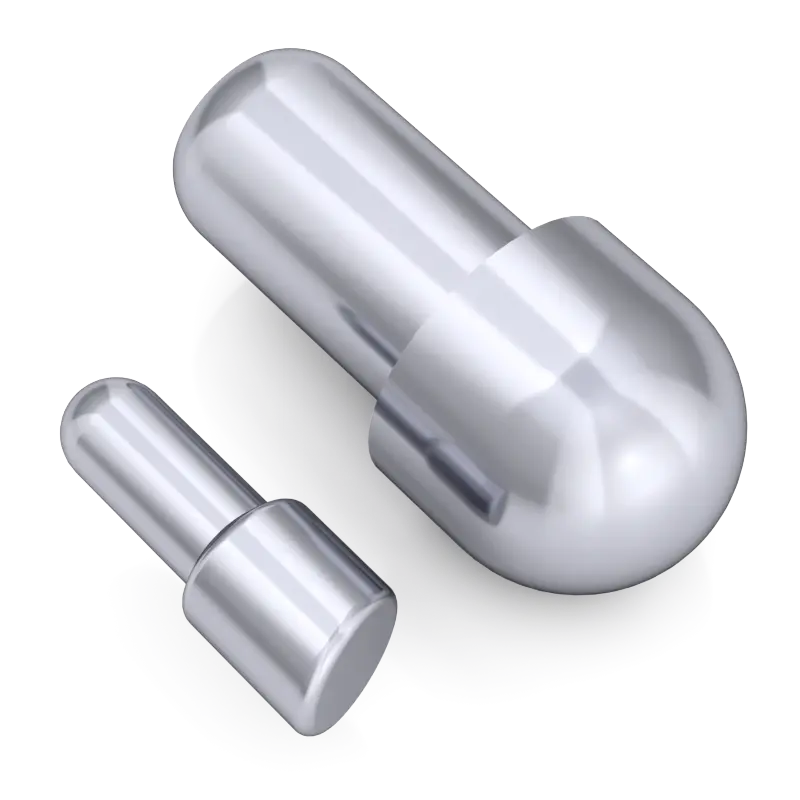
Electroplated Nickel - Silver White
pencil pogo pin before electroplating brass bolor
Before Electroplating - Brass Color
Packaging Options for Pencil Pogopin

Pogo Pin Packaging Method

We ensure each unit is protected from plunger damage, plating scrape, or contamination during transit and storage.
Enabling you to move seamlessly from receiving to production without compromise.
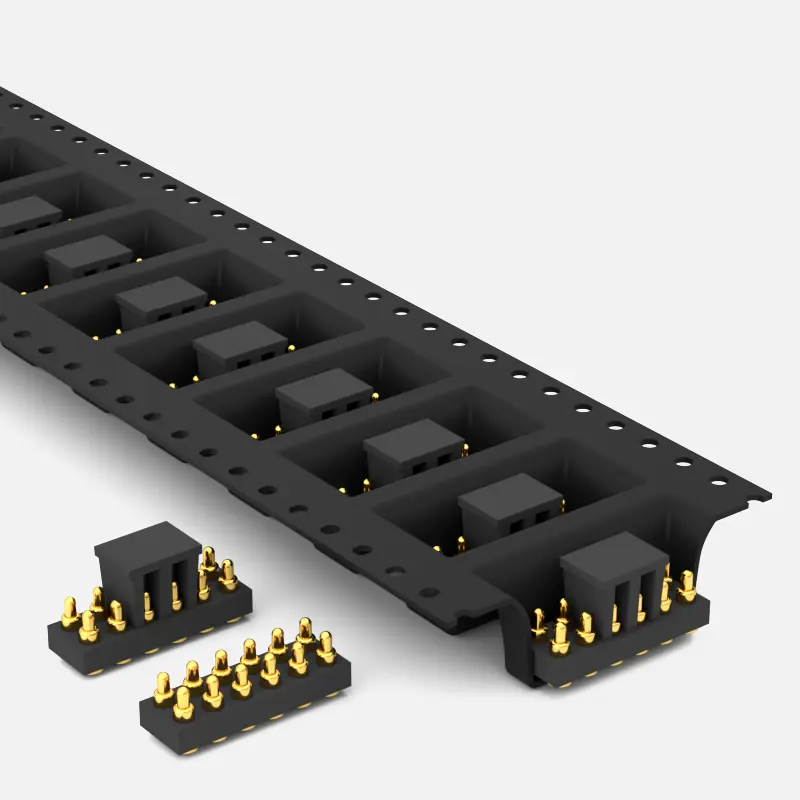
Pogo Pins Vacuum Carrier Tape Packaging
Pogo Pin Connector Vacuum Carrier Tape Packaging
Pencil Contact Pin Customization Process

From Design to Quality Control
Every Step Tailored to Perfection

Alizn pencil pogo pin customization process ensures precision, quality, and efficiency at every stage. From innovative design and advanced production to rigorous quality control, we transform your ideas into high performance solutions. Serving diverse industries, we specialize in creating prototypes and full scale production, turning your vision into reality with unmatched expertise and attention to detail.

Professional Equipment For Pencil Springloaded Pin

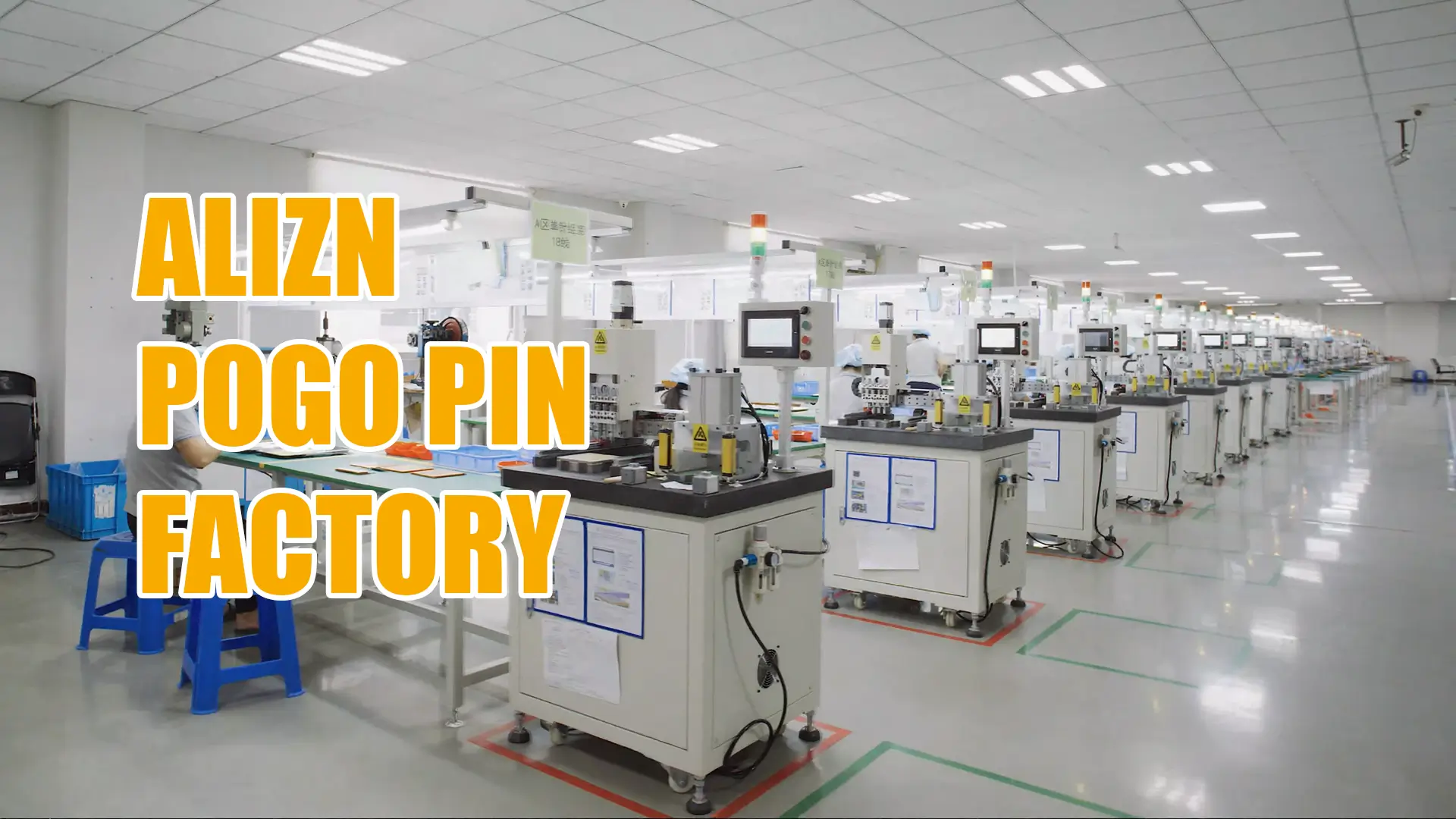
The Equipment Behind Custom Pogo Pins

Our professional equipment provides complete solutions for pogo pin customization, ensuring high precision, efficiency, and cost effectiveness.
From design to production, we meet strict quality standards, addressing complex shapes and performance needs.

automatic lathe

High speed auto feeding turning

milling machine

Complex precision machining

stamping press

High accuracy & rigidity

spring coiling machine

Free height & wire diameter precision

electroplating machine

Uniform, clean

coordinate measuring machine

Dimensional & tolerance verification

Pogo Pin Professional Guide

Pogo Pin Knowledge

Alizn explores with you every factor that influences your choice design, functionality, durability, price factors, process, customization options

Pencil Pogo Pin FAQ

Alizn high performance pogo pins, ideal for functional tests or end use applications. Explore our FAQs to discover more about our pogo pin solutions and related technical support.

We need drawings or key specs: size, stroke, force, current, plating, and usage.

Standard parts: 3–7 days. Custom parts: 2–4 weeks depending on complexity.

Yes, sample testing can be provided before mass production.

Yes, we can design sealed / IP67–IP68 waterproof structures.

Yes, we support full customization based on size, force, plating, and structure.